The Definitive Guide to Aluminized & Metalized Fiberglass Fabrics: Engineering the Ultimate Thermal Shield
Superior Non-Flamable Fabrics For High Performance Industrial Applications
In high-heat industrial environments, the difference between operational success and catastrophic failure often comes down to a few microns of aluminum. Whether you are shielding sensitive aerospace electronics or protecting personnel in a foundry, understanding the distinction between Aluminized Fiberglass Fabric and Metalized Fiberglass Fabric is non-negotiable.
The non-flammable architecture of SFF’s high-performance textile fabrics is why they are the gold standard for global heat-shielding applications.
What is Aluminized Fiberglass Fabric?
Aluminized Fiberglass Fabric is a composite material engineered by laminating a layer of aluminum foil (or a specialized aluminized polyester film) onto a base of high-quality fiberglass cloth.
The Science of Heat Reflection
Unlike standard insulation that merely slows down heat transfer (conduction), aluminized fabrics work on the principle of radiant heat reflection. The mirror-like surface can reflect upwards of 95% of radiant energy, preventing the base fiberglass from ever reaching its thermal limit.
Metalized vs. Aluminized: Clearing the Confusion
In the industry, these terms are often used interchangeably, but the manufacturing process dictates the performance:
| Feature | Aluminized Fiberglass | Metalized Fiberglass |
| Process | Lamination of Aluminum Foil/Film | Vacuum deposition of metal particles |
| Reflectivity | Highest (90-95%+) | Moderate to High (75-85%) |
| Flexibility | Moderate | Superior (Ideal for complex shapes) |
| Durability | Higher resistance to delamination | More breathable, thinner coating |
| Primary Use | Heavy-duty heat shields, PPE | Lightweight insulation, aesthetic wraps |
Why These Fabrics are Mandatory: The “Non-Flammable” Factor
The core of both fabrics is E-Glass (Electrical Grade Glass). This isn’t your standard textile.
Inherent Flame Resistance: Fiberglass is inorganic. It does not ignite, smoke, or support combustion.
Temperature Thresholds: The base fiberglass can withstand continuous temperatures up to 550°C (1022°F).
Thermal Barrier: The aluminum coating adds a secondary layer of protection, allowing the fabric to face radiant heat sources (like molten metal or engine blocks) that far exceed the melting point of the base material itself.
Critical Sectors and Applications
1. Aerospace and Defense
Used for heat shields in jet engines, insulation for black boxes, and protecting hydraulic lines from the extreme temperatures of high-velocity flight.
2. Automotive and Racing
High-performance vehicles use metalized fiberglass to wrap headers, exhaust systems, and fuel lines. This keeps “under-the-hood” temperatures low, preventing “vapor lock” and protecting sensitive plastic components.
3. Industrial PPE (Personal Protective Equipment)
Foundry suits, proximity suits, and firefighting gloves rely on aluminized fabric to allow workers to stand inches away from molten steel without the internal temperature of the suit rising to dangerous levels.
4. Petrochemical and Marine
Used as “fire curtains” or removable insulation jackets for valves and flanges. In the event of a flash fire, these fabrics provide the critical seconds needed for emergency shutdown procedures.
Why Our Fabric is the Global Standard
We don’t just manufacture; we innovate. Our Aluminized and Metalized Fiberglass Fabrics undergo rigorous testing for:
Tensile Strength (to ensure it doesn’t tear under pressure).
Adhesion Strength (to prevent the foil from separating).
Reflectivity Index (to guarantee 95% radiant heat rejection).
Non-Flamable (to resist continuous exposure to fire)
High-performance textile films engineered to provide exceptional protection against fire and heat.
Key Features:
Multi-layer construction for enhanced barrier properties and durability.
Excellent tensile strength and puncture resistance for safe transportation and handling.
Customizable layer combinations to meet specific product requirements.
High-quality printing options for branding and product information.
Material Options:
Metalized Fiberglass Fabric / Metalized Glass Fiber Fabric
Aluminized Fiberglass Fabric / Aluminized Glass Fiber fabric
Customized structures available to meet the specific requirements as per your applications.
Unparalleled Product Protection: Safeguarding your valuable products from damage and degradation.
Extended Shelf Life: Our fire-resistant textiles help in maintaining product itegrity.
Enhanced Safety: Protecting handlers and end-users from hazards.
Regulatory Compliance: Meeting all necessary legal requirements for distribution and sale.
Improved Brand Image: Enhancing your brand reputation by using the best the industry has to offer.
Cost Saving: Reducing product loss and optimizing supply chain efficiency.
Superior Heat & Fire Resistant Properties: Protecting products from heat, fire and moisture damages.
Excellent Shelf Life: Maintaining product quality and efficacy for extended periods.
Superior Tear Strength: Preventing wear and tear during handling and transportation.
Superior Puncture Strength: Resisting damage from sharp objects and rough handling.
Suitable for Outdoor Storage: Withstanding exposure to sunlight, rain, and extreme temperatures.
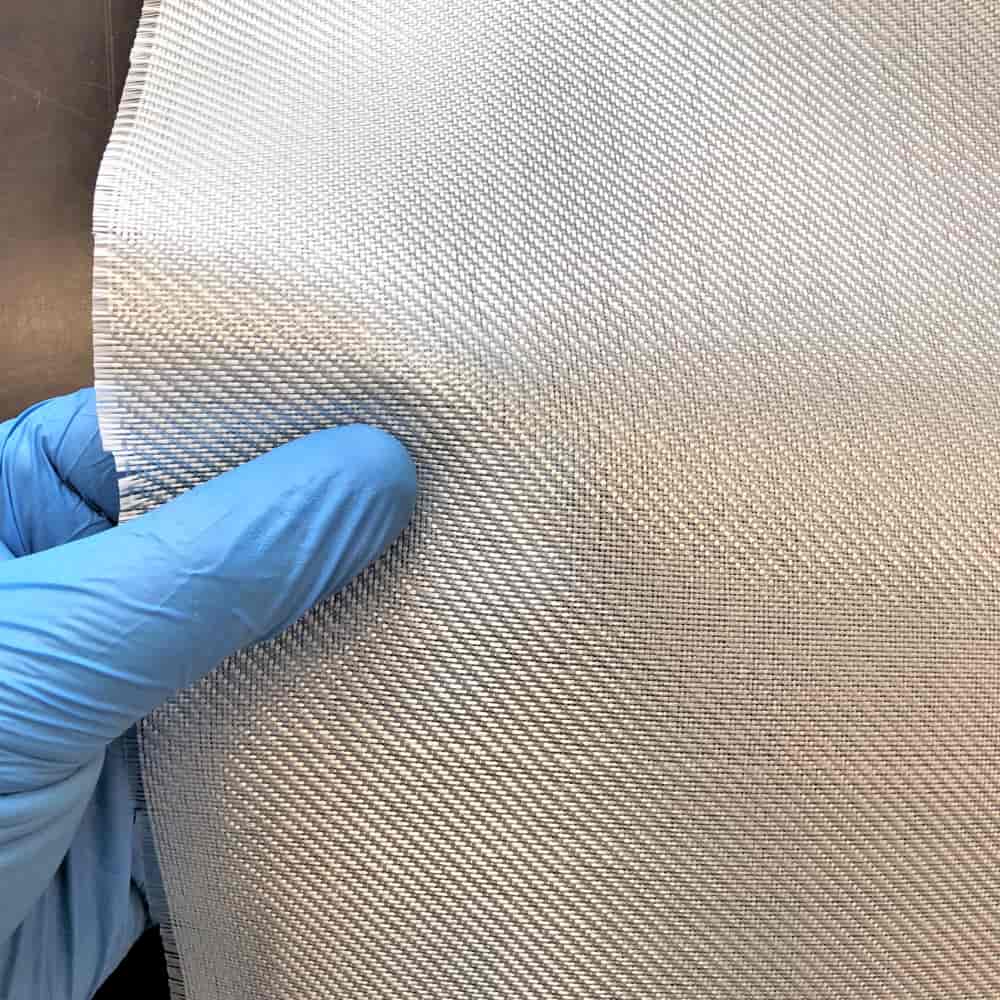
- Metalized Fiberglass Fabric / Metalized Glass Fiber Fabric
- Aluminized Fiberglass Fabric / Aluminized Glass Fiber Fabric
- Customized Structures
- Excellent Flexibility
- Excellent Heat Resistance
- Excellent Fire Resistance
- Superior Tear Strength
- Superior Puncture Strength
Aerospace & Defence, Automitives, Industrial PPE, Petrochemical & Marine, Constructions & Applications that Require Extemely High Temperature Resistance.
- Type of Core: Paper
- Core ID: 76mm (± 1mm)
- OD/Length of Reel: As required
- Joints per Reel: 70% Joint Free and balance maximum up to 2
- Type of Packing: Standard
- Special Packing on request
- Available in customized roll sizes.